Reviewing the Welcome Porch SVG for Real Embroidery
As a designer who spends more time staring at stitch previews than actual fabric, I have learned that not every digital file translates well to thread. We live in an era where Graphics and vector art are abundant, but finding a design that respects the physical limitations of a needle and bobbin is rare. Recently, I pulled the Welcome Porch Svg, Welcome Porch Sing file into my workspace to evaluate its potential for a client’s boutique line. This was not just a casual browse; it was a stress test to see if this asset could hold up in a real-world embroidery project.
First Impressions: Mood and Visual Personality
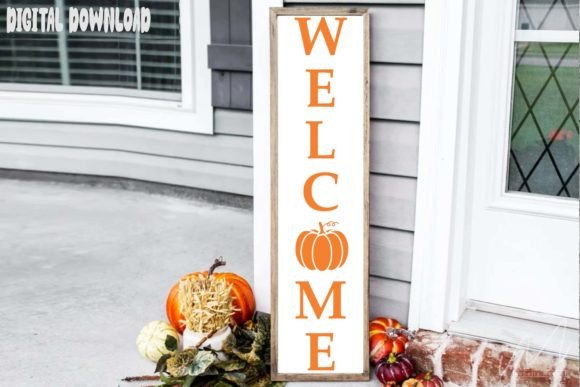
The first thing that strikes you about the Welcome Porch Svg, Welcome Porch Sing is its inherent warmth. It does not scream for attention with aggressive lines or chaotic details. Instead, it offers a calm, inviting aesthetic that fits perfectly within the Crafts category of home decor and personalized gifting. The layout suggests a balance between rustic charm and modern simplicity.
When I opened the file, I looked immediately at the curve integrity and node placement. For an embroidery designer, these technical aspects matter because they dictate how smoothly a machine will execute the path. The visual personality here is friendly and approachable, making it an ideal candidate for products meant to evoke comfort. Whether it is for a personalized gift or a small shop product, the mood is right. However, a pretty picture on a screen does not guarantee a pretty finished product on fabric.
The Real-World Test: From Screen to Sweatshirt
To truly understand the value of this design, I simulated a common scenario: creating a custom sweatshirt embroidery piece for a local maker. The goal was to place the design on the left chest area, a standard spot for subtle branding or personalization. I imported the SVG into my digitizing software to inspect how the shapes would convert into stitches.
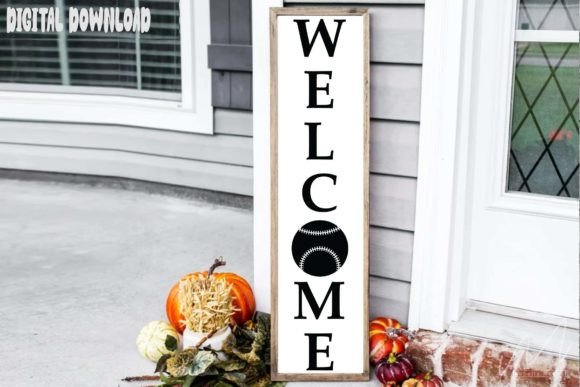
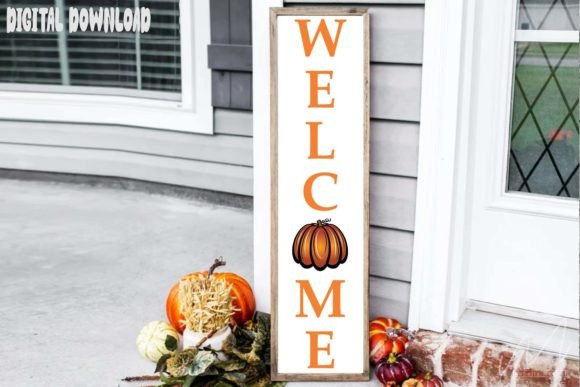
The quote ”Welcome” is the focal point. In a machine embroidery design, text requires careful handling. If the letters are too thin, they become fragile. If they are too dense, they pucker the fabric. With the Welcome Porch Svg, Welcome Porch Sing, the letterforms appear robust enough to support a satin stitch or a light fill stitch, depending on the desired texture. I imagined this on a heavy cotton blend, where the thread would sit proudly on the surface without sinking into the fleece.
Beyond apparel, I considered its use as a tote bag design. Canvas is forgiving, but it demands clarity. The clean lines of this graphic suggest it would stitch out cleanly on a tote, offering a professional look that elevates a simple bag into a desirable handmade product. For an Etsy seller, this versatility is key. You are not just selling one item; you are selling a design asset that can adapt to multiple product lines.
Navigating Technical Constraints and Fabric Choices
While the design is promising, practical application requires caution. Not every fabric behaves the same way. When working with textured fabrics or stretchy materials, the stability of the design becomes critical. I would advise against using this on very thin, slippery synthetics without a high-quality cut-away stabilizer. The weight of the thread needs something to anchor to, or the fabric will distort around the stitched areas.
Another consideration is hoop size. Since the file allows you to change the size with appropriate software, you must ensure the proportions remain legible. Shrinking it too much for a small embroidered patch might cause the finer details of the "Welcome" text to merge, losing readability. Conversely, blowing it up for a large pillow cover might reveal gaps in the original vector paths if they were not drawn with precision. Always check the nodes after resizing.
Dark fabrics present another challenge. If you are stitching light thread colors on black denim, you need to ensure the underlying structure is solid. A running stitch underlay might not be enough to prevent the dark fabric from peeking through. In such cases, a denser fill or an applique approach might be necessary, though the current format is primarily a cut file. This is where your skill as a digitizer comes into play, adapting the digital embroidery file to meet the physical demands of the material.
Commercial Viability and Brand Consistency
For those running a craft business, consistency is everything. Customers return because they trust the quality of your work. Using a design like Welcome Porch Svg, Welcome Porch Sing can enhance brand perception if executed well. It signals attention to detail and a curated aesthetic. However, it can also damage trust if the stitching is messy or the design looks pixelated due to poor conversion.
This design fits well into the niche of holiday embroidery or everyday home accents. Think of it on a kitchen towel or a nursery decor item. The welcoming message is timeless, which means it does not go out of style quickly. This longevity is valuable for commercial embroidery projects where you want to minimize inventory risk. It is a safe bet for baby embroidery items too, provided the threads used are soft and safe for sensitive skin.
Practical Designer Notes for Best Results
Before you commit to a full production run, follow these steps to ensure success:
- Test on scrap fabric first: Never stitch directly on your final garment. Use a similar weight and texture to check for puckering or thread breaks.
- Check thread color contrast: View your design in black and white mockups to ensure the shape remains distinct even without color differentiation.
- Review stitch density: If you are digitizing this yourself from the SVG, avoid over-packing stitches. High density leads to stiffness and potential needle damage.
- Confirm hoop size: Ensure your machine’s hoop can accommodate the scaled version of the design you intend to produce.
- Inspect small details: Zoom in on the curves of the letters. Smooth out any jagged edges in your software before generating the final embroidery file.
- Verify licensing: The product description mentions formats like SVG, DXF, EPS, and PNG. It states you can change color and size. However, it does not explicitly detail commercial rights for the final stitched product. Always confirm whether the license allows you to sell physical items made with this design, especially if you are an Etsy seller or small business owner.
Final Verdict on the Design Asset
The Welcome Porch Svg, Welcome Porch Sing is a solid addition to a designer’s library of design assets. It is not overly complex, which makes it accessible for hobbyists, yet it has enough character to satisfy professional standards when handled correctly. Its strength lies in its adaptability across various custom apparel and home goods.
Remember, the file provides the blueprint, but your expertise builds the house. By paying attention to fabric texture, stabilizer choice, and stitch technique, you can transform this simple graphic into a high-value item. Whether you are creating a printable mockup for your online store or stitching a one-of-a-kind gift, this design offers a reliable foundation. Just keep your eyes on the technical details, and let the welcoming spirit of the design shine through your craftsmanship.