Reviewing Mom a Little Just Above SVG for Embroidery
As an embroidery designer who has spent years digitizing files and testing them on everything from stiff denim to delicate baby knits, I approach every new machine embroidery design with a critical eye. We are not just looking for pretty pictures; we are looking for stitchability, clarity, and commercial viability. Recently, I evaluated the Mom a Little Just Above,Mother s Day SVG to see how it holds up in real-world production scenarios. This is not just a digital asset; it is a potential revenue stream for your craft business, provided you understand its limitations and strengths.
First Impressions and Visual Personality
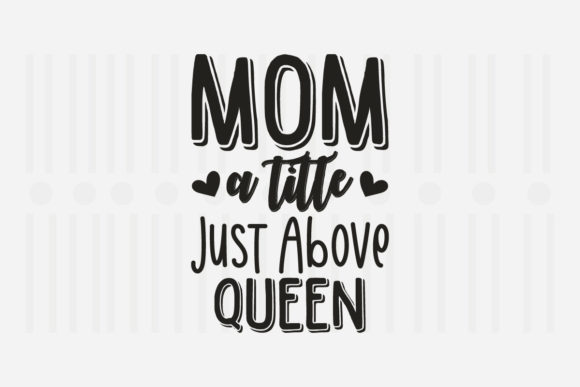
The first thing that strikes you about this Graphics file is its sentimental yet modern appeal. The phrase carries a warm, nostalgic mood that resonates deeply during the spring gifting season. Visually, the layout suggests a balance between readability and decorative flair. For an Etsy seller or boutique owner, this is crucial. Customers do not just buy a product; they buy a feeling. This design fits naturally into the category of heartfelt personalized gift items.
However, as a reviewer, I must look past the screen preview. The description notes that this is a vector-based file, specifically an EPS and SVG at 300dpi. This is excellent for printing on mugs or posters, but for us in the embroidery world, it requires a translation step. You cannot plug an SVG directly into most embroidery machines without digitizing it first or using auto-digitizing software, which often yields poor results. If you are using this as a reference for manual digitizing, the clean lines are a blessing. If you are expecting a ready-to-stitch embroidery file, you must verify if a DST or PES version is included or if you need to convert it yourself.
Real-World Application: The Custom Tote Test
To truly evaluate this design, I imagined a specific project: a custom canvas tote bag design for a local mother’s day market. Canvas is a forgiving fabric, but it has a distinct texture. I visualized placing the text centrally on the bag. The simplicity of the quote allows it to stand out without needing complex fill stitch backgrounds that might distort the fabric.
In this scenario, the design would likely perform best using a combination of satin stitch for smaller elements and a light running stitch or split stitch for longer, thinner lines to prevent thread breaks. The "easy change color" feature mentioned in the product details is a significant advantage here. It allows me to match the thread colors to the specific branding of my small shop product line. Whether I choose classic white on navy or pastel pink on cream, the adaptability ensures the finished product looks professional and intentional.
Navigating Fabric and Hoop Constraints
While the design is versatile, it is not universal. There are specific situations where you must exercise caution. If you plan to use this on a curved surface like a cap, the horizontal layout might require breaking the text into two lines or adjusting the curvature during digitization to prevent puckering. Similarly, on stretchy fabrics like jersey t-shirts for custom apparel, the stitch density becomes a critical factor. Too dense, and the fabric will gather; too loose, and the backing will show through.
For baby embroidery projects, such as onesies or bibs, the scale is vital. You must ensure the lettering remains legible when scaled down to fit a small hoop size. Tiny serifs or intricate corners can get lost in the stitching process. I always recommend testing the design on scrap fabric first. Check how the threads interact with the material. Does the thread colors contrast well against the fabric texture? A dark thread on a dark towel might look sophisticated in a mockup but disappear in real life.
Commercial Viability and Brand Consistency
For those running a commercial embroidery operation, consistency is key. This design offers a high level of professionalism if executed correctly. It avoids the cluttered look of overly complex applique design work, making it faster to produce and less prone to errors. This efficiency translates to better profit margins. Furthermore, because the source files are editable, you can tweak the spacing or size to fit various products, from sweatshirt embroidery to kitchen towels.
However, remember that selling finished items made from this design requires a clear understanding of the license. While many SVG creators allow commercial use for physical goods, digital resale is often prohibited. Always confirm licensing before listing your handmade product online. Using this design for holiday embroidery collections can boost your seasonal sales, but only if the quality matches the promise of your brand.
Practical Designer Notes for Success
Before you commit to a large batch of production, consider these practical steps:
- Test on Scrap Fabric: Never skip this step. See how the stitches lay on the actual material you intend to use.
- Check Stabilizer Compatibility: Use the right stabilizer for your fabric weight. Cut-away for knits, tear-away for wovens.
- Mockup in Black and White: Remove color from your digital preview to check for contrast and readability issues.
- Verify File Formats: Ensure you have the correct digital embroidery file format for your machine. If only SVG/EPS is provided, budget time for proper digitization.
- Inspect Small Details: Zoom in on the vector file. Are there any stray points or overlapping paths that could cause stitching errors?
In conclusion, the Mom a Little Just Above,Mother s Day SVG is a strong contender for your spring catalog. It belongs in the realm of thoughtful Crafts and meaningful gifts. With careful attention to digitization and fabric choice, it can elevate your embroidery project from a simple item to a cherished keepsake. Treat it with the respect it deserves, and it will serve your business well.